
English at St Thomas More
Reading and Phonics
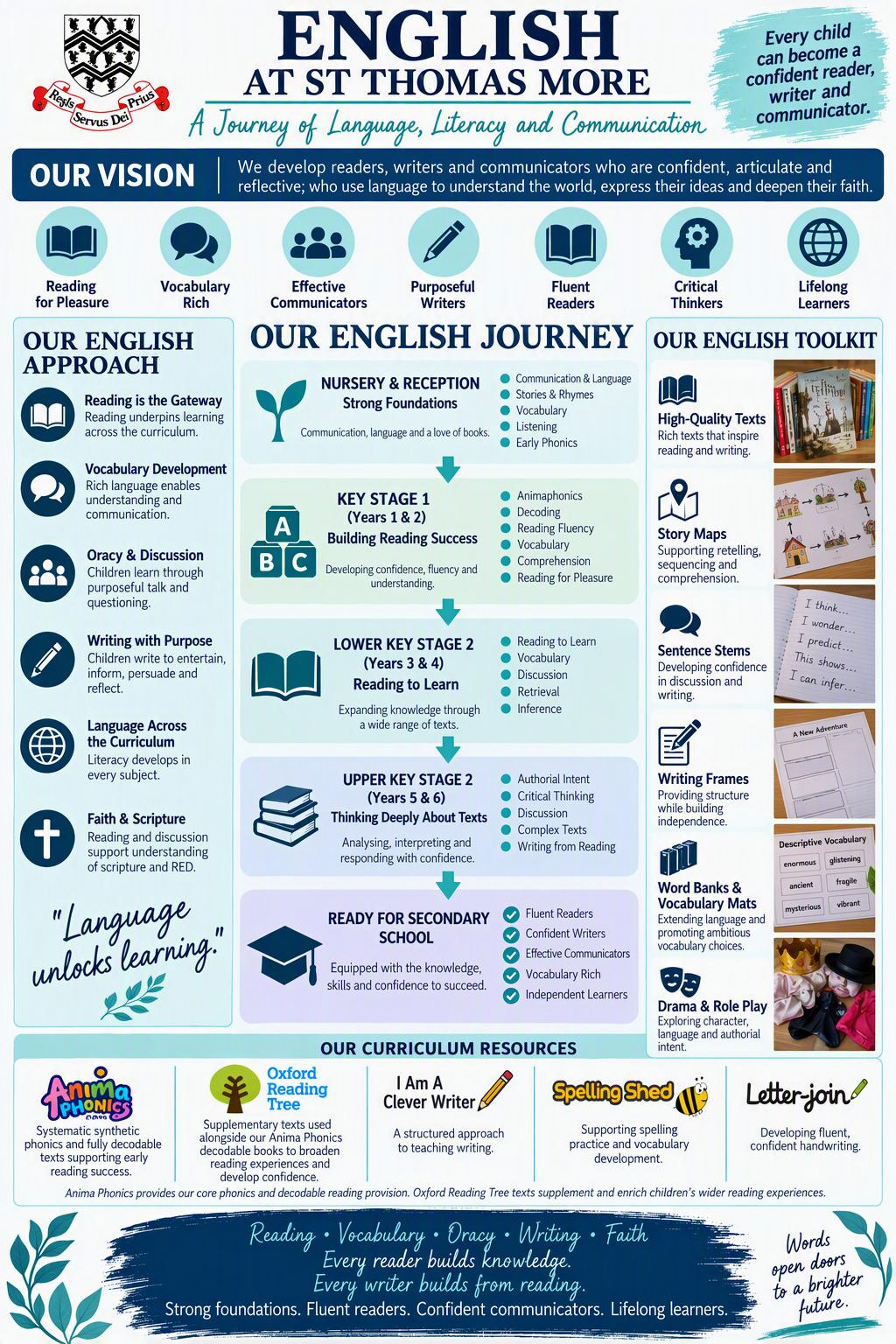
At St Thomas More Catholic Primary School, we believe that reading is the gateway to the wider curriculum. Through reading, children develop knowledge, vocabulary, imagination and understanding, enabling them to access all areas of learning and participate fully in the life of the school and wider community.
We are committed to ensuring that every child becomes a confident, fluent and enthusiastic reader. Reading lies at the heart of our curriculum and is carefully woven throughout all areas of school life. We foster a love of reading through high-quality texts, engaging story times, rich classroom environments and regular opportunities for discussion and book talk.
Early Reading and Phonics
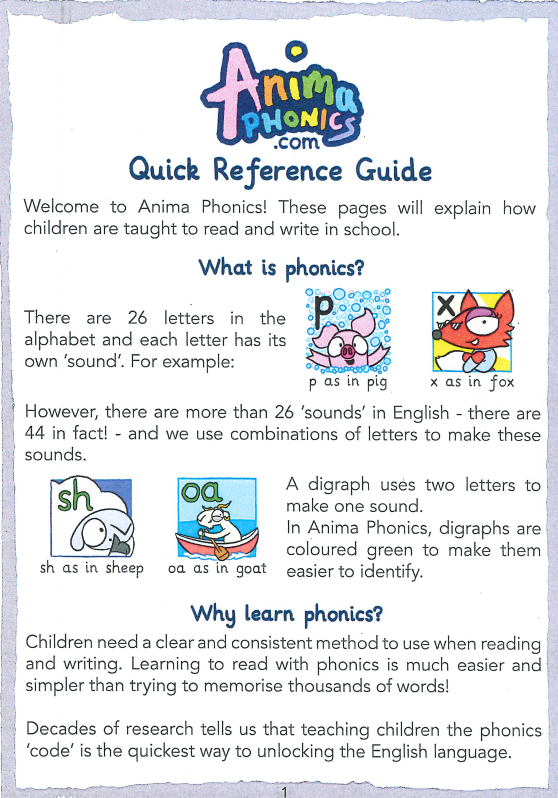
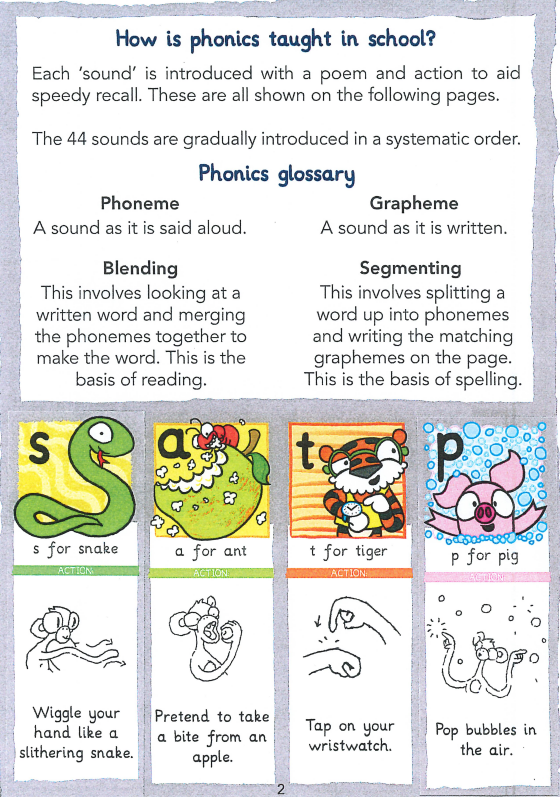
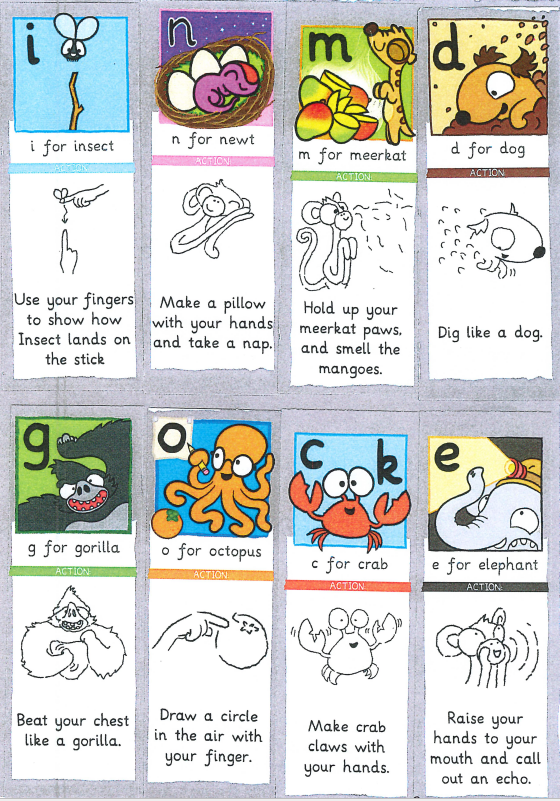
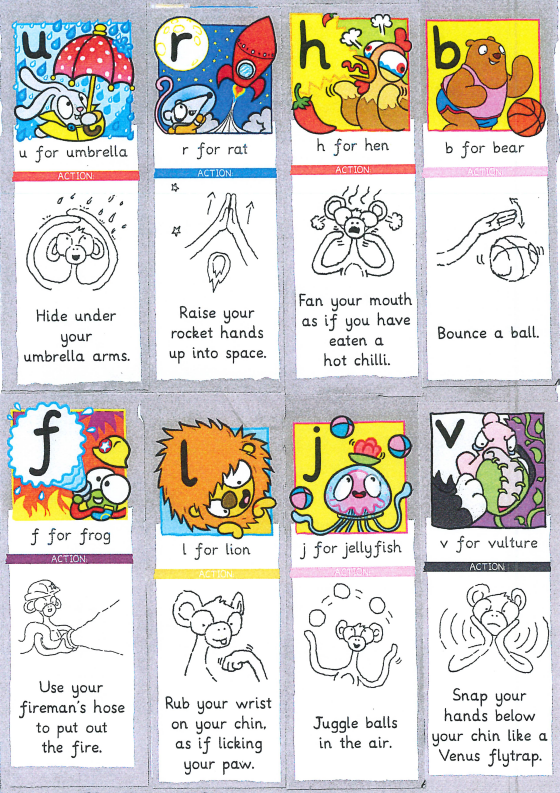
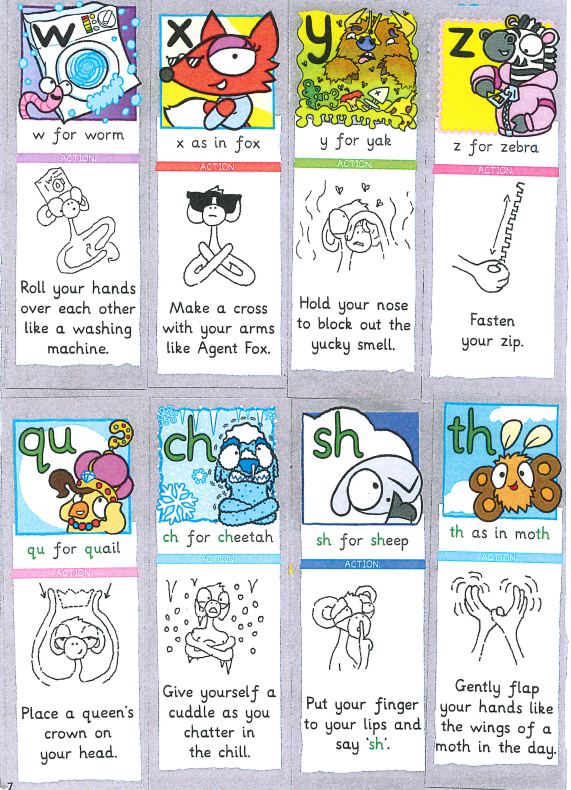
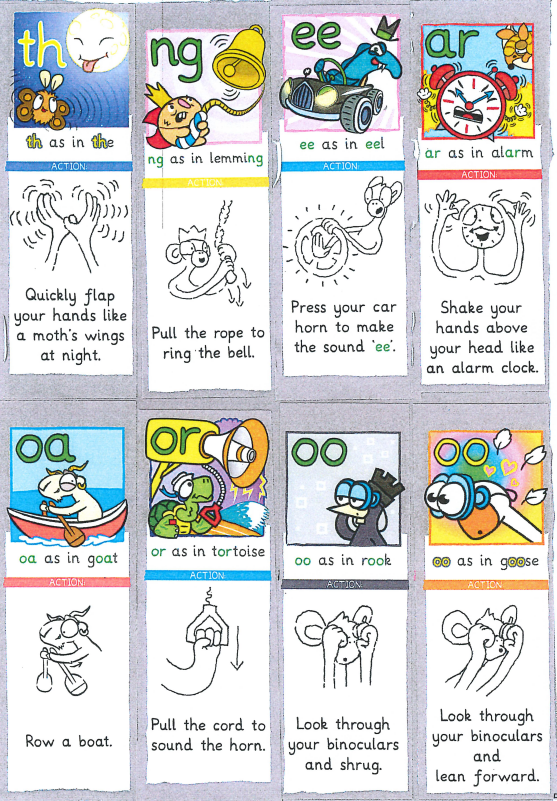
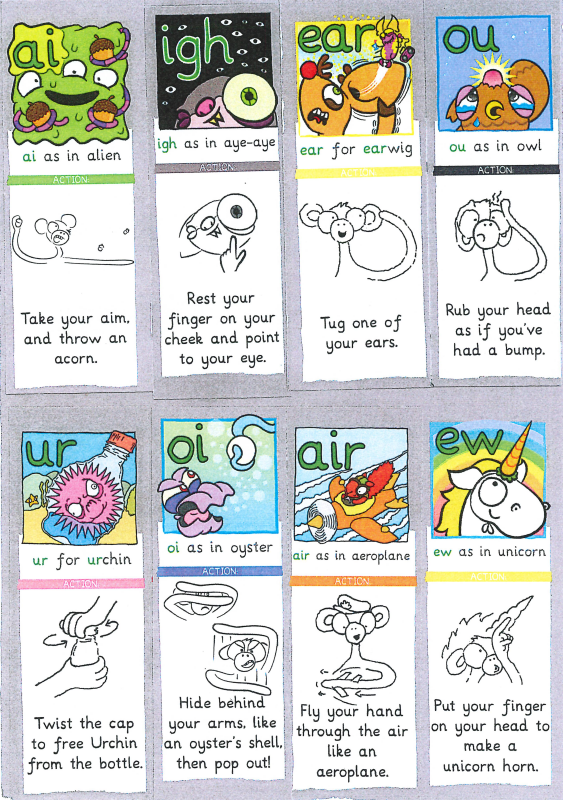
Strong foundations in reading begin with high-quality systematic synthetic phonics teaching. In EYFS and Key Stage 1, children are taught through the Animaphonics programme.
In Nursery, children develop their communication, language and listening skills through stories, songs, rhymes and play-based experiences which promote sound discrimination, vocabulary development and a love of books.
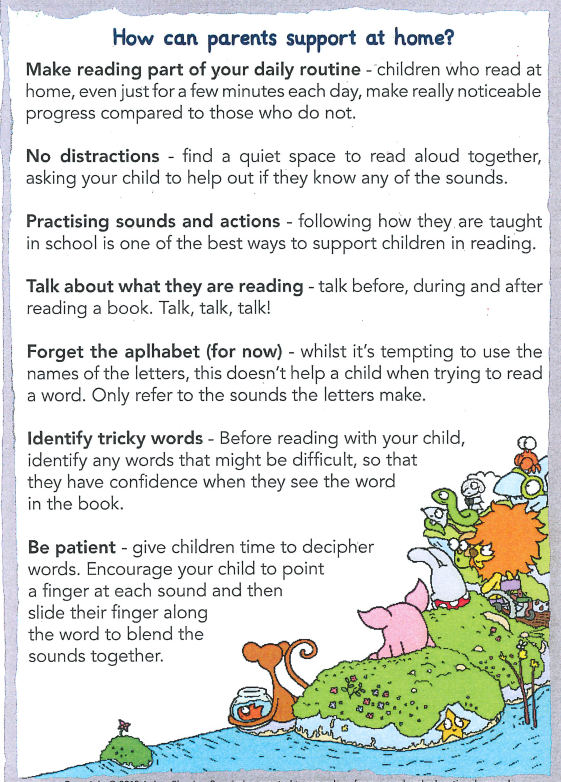
Daily phonics lessons develop children's ability to hear, recognise and manipulate sounds, enabling them to decode words accurately and develop increasing fluency and confidence as readers.
Children practise and apply their phonic knowledge through reading books that are closely matched to their current stage of learning. Additional support and intervention are provided for pupils who require further opportunities to secure phonics knowledge and reading fluency.
How to pronounce pure sounds
Anima Phonics Quick Reference Guide
Reading Across the School
As children progress through school, they move from learning to read towards reading to learn. Pupils encounter a rich variety of fiction, non-fiction, poetry, scripture and texts across the wider curriculum.
Reading lessons focus on developing:
- Reading fluency and expression
- Vocabulary knowledge
- Comprehension and understanding
- Discussion and reasoning
- Critical thinking and interpretation
- Reading stamina and independence
Teachers model expert reading and provide regular opportunities for pupils to discuss texts, share ideas and justify their thinking. Vocabulary is explicitly taught and explored so that children develop the language needed to understand increasingly complex texts and communicate effectively.
Reading, Vocabulary and Oracy
We recognise the close connection between reading, vocabulary and oracy. Through purposeful discussion, pupils learn to explain their thinking, ask questions, justify opinions and build upon the ideas of others.
Developing language is central to our curriculum. High-quality talk supports reading comprehension, strengthens understanding and prepares pupils to become confident communicators.
Reading in Our Catholic School
Reading also plays an important role in supporting children's spiritual and moral development. Through scripture, religious texts and the introduction of the RED Religious Education curriculum, pupils are encouraged to explore meaning, vocabulary, interpretation and reflection. Opportunities to discuss and respond to texts help children deepen both their understanding and their faith.
Reading for Pleasure
We are passionate about developing lifelong readers. Every class enjoys a daily story or class novel, exposing pupils to high-quality literature and a wide range of authors, genres and cultures. Children are encouraged to read regularly at home and at school, and our classrooms and library provide inviting spaces where reading is celebrated and valued.
By the time pupils leave St Thomas More, we aim for them to be fluent, confident readers who read for pleasure, for knowledge and for lifelong learning.
Writing
At St Thomas More Catholic Primary School, we aim to develop confident, purposeful and effective writers. Through high-quality texts, engaging experiences and explicit teaching, pupils learn to write for a range of audiences and purposes.
Writing is closely linked to reading, vocabulary development and discussion. Children are encouraged to draw upon their reading experiences to enrich their own writing and develop their authorial voice.
We use our I Am a Clever Writer approach to support pupils in understanding the key features of effective writing. Through carefully sequenced lessons, pupils are taught to plan, draft, revise, edit and publish their work, developing increasing independence as writers.
Children write across the curriculum, enabling them to apply their skills in meaningful contexts and communicate their ideas with clarity and confidence.
Spelling
Accurate spelling is an important part of effective written communication. From Reception onwards, children develop their understanding of spelling through systematic phonics teaching, explicit spelling instruction and regular opportunities to apply their knowledge in writing.
In Key Stage 2, spelling patterns, rules and word morphology are taught progressively in line with the National Curriculum. Pupils are encouraged to explore word families, prefixes, suffixes and etymology to deepen their understanding of language.
We use Spelling Shed to support the teaching and learning of spelling both in school and at home. This provides engaging opportunities for pupils to practise and embed spelling knowledge through a variety of interactive activities.
Handwriting
We believe that fluent, legible handwriting supports children to communicate their ideas effectively and confidently.
Children are taught to develop correct letter formation from the early years before progressing to joined handwriting when they are ready. Handwriting is taught regularly and expectations for presentation are consistently promoted across the curriculum.
We use Letter-join to support the teaching of handwriting across the school. This provides a clear and progressive approach to developing handwriting skills, helping pupils to achieve fluent, neat and efficient handwriting.
Our aim is for all pupils to take pride in the presentation of their work and develop a handwriting style that supports successful learning throughout their education.
Useful English Websites: